
Insights
Autumn Budget 2026: What Small Businesses Should Watch on 28 October
The Autumn Budget 2026 lands on Wednesday 28 October. If rumours are freezing your business decisions, here's a practical do-now vs wait list for the days before Budget day.
The Autumn Budget 2026 lands on Wednesday 28 October, and if your group chat is anything like ours, the rumours have already started. Tax on this, a raid on that, a brand-new levy nobody had heard of a week ago. It's the time of year when perfectly sensible business owners start second-guessing everything — the new hire, the van, the salary-versus-dividend split you meant to sort out in August.
Here's the honest truth: nobody knows what's in the red box until Chancellor John Healey stands up in the Commons on 28 October at about 12:30pm, straight after Prime Minister's Questions. It's his first Budget since Andy Burnham made him Chancellor in July, and the first of this government — so even the usual Westminster guesswork is thinner than normal.
But "nobody knows" doesn't mean "do nothing". Split it into two lists: things worth doing before Budget day, and things that should wait until after. Here's ours.
What's already on the table
A few things are settled, and they matter because they shape the decisions you're making right now:
- The date is confirmed. HM Treasury confirmed 28 October back in July. The speech is followed by the full Budget documents on GOV.UK and a new five-year forecast from the Office for Budget Responsibility the same afternoon.
- The big three rates are pledged. The government has said it will keep its manifesto promise not to raise income tax, VAT or employee National Insurance rates. Employer NIC is a different story — that's one of the things everyone's watching.
- Several April 2027 changes are already locked in — rates on savings and property income go up by two points, pensions are pulled into inheritance-tax estates, under-65s get a £12,000-a-year Cash ISA cap (the £20,000 overall allowance stays), and income tax thresholds stay frozen until April 2031, which quietly lifts real tax bills year after year.
- The unknowns: capital gains tax, pension tax relief and employer NIC are the three to watch on the day. Everything else is noise until the speech.
Do these before 28 October
Use this year's allowances while they're certain
Allowances you can use in 2026/27 are facts; next year's are guesses. If you haven't used your dividend allowance, or you were planning pension contributions anyway, there's no prize for waiting until spring — pension tax relief is one of the very things being watched on the day. Don't invent new contributions just to beat the Budget, but don't leave planned ones sitting in a "later" pile either.
Get your books Budget-ready
When the measures land on the 28th, the question that matters is "what does this cost me?" — and you can only answer that if your books are current. Reconcile through September: year-to-date profit, what you've drawn versus paid yourself in salary, where your VAT position stands. If your records are months behind, getting them up to date is the single most useful thing you can do this week.
Review your salary-and-dividend mix now
If you run a limited company, the salary/dividend split that was optimal in April might not be after October. Run the numbers against your actual drawings before the 28th, so whatever changes come, you're adjusting a plan — not building one from a headline.
Don't do these until after the speech
- Don't restructure on a rumour. Incorporating, striking off, shifting assets between spouses, or a "clever" scheme someone posted on social media — every Budget produces a crop of these, and most of them age badly.
- Don't sign irreversible deals to beat a rumoured change. A deposit you can't get back is worse than a tax rise you can plan for.
- Don't panic about timing. Most Budget tax changes take effect on 6 April, not on Budget night. Panic is for headlines; planning is for April.
How to read the Autumn Budget 2026 as a small business
On the day itself, either watch the speech or read the GOV.UK documents that afternoon — the OBR forecast alongside them tells you the context the numbers sit in. Then make yourself a short list: what changed, when it takes effect, and what it costs you in pounds. Ignore everything that doesn't touch your business; most of it won't.
Then talk to your bookkeeper or accountant within a fortnight. The good advice window is November, not March — by spring, everyone's queue is full and the planning opportunities have narrowed. If you'd like a second pair of eyes on your numbers before the 28th, that's exactly what we do — get in touch. And if Making Tax Digital is on your mind too, we covered the 7 November quarterly deadline on the blog.
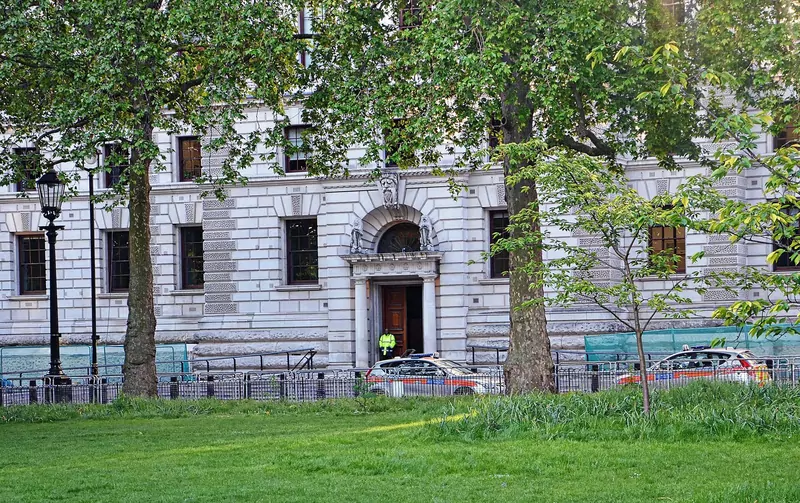
Featured image: HM Treasury, 1 Horse Guards Road, Westminster, where the Budget is prepared. Photo: Dun.can, Wikimedia Commons, CC BY 2.0.
Need a hand?
Let’s get your books in order
Talk to 360 Bookkeepers about VAT, payroll or monthly bookkeeping — free consultation, no pressure.
Keep reading
More from the blog

Xero vs QuickBooks vs FreeAgent: Which Is Best for UK Small Businesses?
Xero, QuickBooks and FreeAgent all handle MTD, VAT and invoicing — but they suit different businesses. Here is how to pick the right one before you pay for the wrong plan.

Catch-Up Bookkeeping: How to Fix a Year of Messy Books
A year of messy books feels overwhelming, but it's fixable. Here's how catch-up bookkeeping works, month by month — and what to do this week to start.